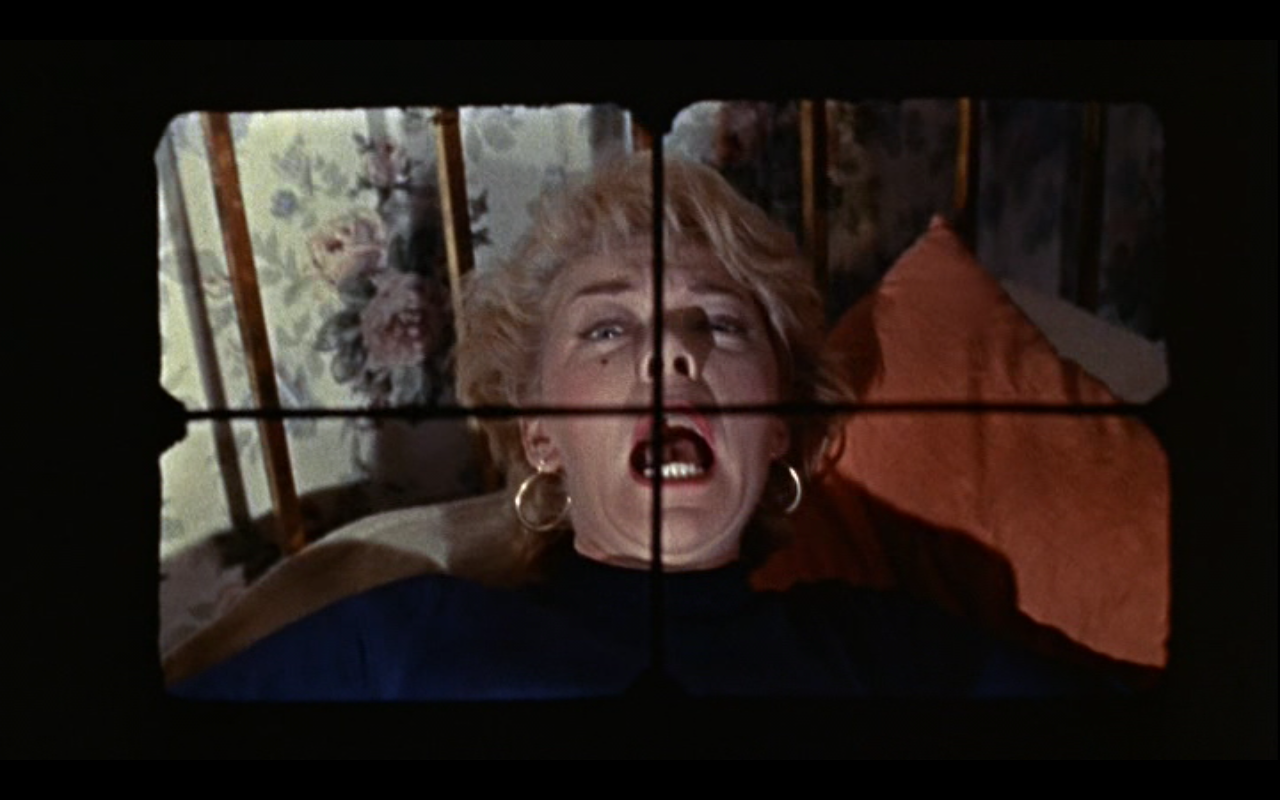
Having just completed watching it for the first time, I have come to think of “Twin Peaks”, the renowned series created by David Lynch and Mark Frost, as “peak TV”, because I do not know what more television can do after this series, and I know I won’t have the same experience from a TV show again, even when I start watching this one again.
I have watched “Twin Peaks” with my family for the last few months, the lack of inspiration in the Christmas TV schedules presenting an opportunity to take up a recommendation from my sister, who would guide us through the series. Unfortunately, I initially missed the start of this experience, later watching the opening two episodes in my own time, because I had gone tenpin bowling – the “going out” part was almost as out of character for me as the bowling – but I chimed with the “vibes” this show was giving off, later realising that our weekend watching of the series had become an escape I wish I had found earlier.
Then David Lynch died. Already the great American Surrealist artist, and that rarity of a film director that was universally liked by people who worked with him, the outpouring of emotion in the media, both traditional and social, was sudden, and unanimously positive. I had seen little of Lynch’s work before starting “Twin Peaks”, having only seen “Eraserhead”, and now I felt remorse for not knowing to have watched more of his films, having already been thinking the same about those of Michael Powell & Emeric Pressburger – having a degree in film studies doesn’t avoid there being gaps in your personal canon, especially if those films didn’t come up while you were studying.
I am writing this to mark the experience I am having with this series, and not to act as a guide. I came across this passage from my diary: “I have found a TV show I don’t need to watch critically to get the most from it – as the day winds down, I can relax enough to watch it properly. It has made me realise I don’t dream much when I am asleep, but I daydream a lot – a resource I do nothing with, perhaps to my own discredit. I wish I knew to watch ‘Twin Peaks’ earlier.”
I don’t think I can adequately describe the story of the series as well as has been done endlessly elsewhere, but for due diligence, the inciting incident of “Twin Peaks” was the death of Laura Palmer, how it affects the small town in which she lived, and how the town affects the FBI agent sent to investigate. Notoriously, the killer was revealed to be Laura’s father, possessed by a force named “BOB”, when the ABC network required the killer to be revealed, itself killing the main driver of the series’ atmosphere – the follow-up feature film, “Fire Walk With Me”, breathed life back into Laura Palmer, even in death. The third series, broadcast twenty-six years after the first, told a larger story of the evil that perpetrated the original series, while also being a surreal, Surrealist repudiation of the lore built around the series and its characters, and of the expectation garnered it after so long away. To say any more would be giving too much away, apart from Kyle MacLachlan’s performance as Special Agent Dale Cooper causing me to start drinking coffee.
I scrambled around to understand how a show like this appeared in 1990: TV audiences fragmenting with growing popularity of cable TV, allowing more types of story to be made; popularising the filming of TV dramas in a more filmic way, arguably also started by “Miami Vice”; and its appearing concurrently with “The Simpsons”, a show that continues to look like no other.
I became more fully plugged in to the “vibes” of “Twin Peaks” when I realised that notions of “suspension of disbelief” do not really exist here. It is not “weird” – a word that only ever appears with surface analysis – and it does not have a surreal or dreamlike quality: it is intentionally surreal and dreamlike. You are not being rewarded for getting references made by characters or the plot – this is the show that will be quoted by others. You are not going to be given episodes tied neatly with a bow – once the first two seasons were described to me as a parody of a US soap opera, particularly with the continuing use of a musical underscore to heighten the mood, I relaxed into its rhythm more easily.
I initially thought of “Twin Peaks” as being “peak TV” once I heard that the French film journal “Cahiers du Cinema”, in 2019, declared the third season as being the greatest film of the 2010s. I agree with that – it is an episodic film told in eighteen parts, the musical performances at the end of most episodes being the only sop to notions of structure, something that couldn’t be done in 1990-91 while on a network filled with the furniture of “previously on...”, “next time on...” and breaks for commercials. TV screens are bigger, TV sound is better, more easily able to replicate the cinematic experience. The transition from TV drama to film is complete, but the transition from weekly episodes to series box sets is there too, despite our family watching of the show at weekends.