I recently read "Live From New York," an oral history of "Saturday Night Live," filled with anecdotes about making, and almost ruining, a TV show that has become a cultural institution in the United States. "SNL" has only just begun showing in the UK, on Sky Comedy – previously, it could only be seen in sections officially posted on YouTube, and when other channels occasionally showed compilations of old sketches. Despite this paucity, everyone is almost expected to know what “SNL” is, and its hold on the landscape of US comedy.
"SNL" is a ninety-minute mix of comedy sketches, stand-up, and music, aired on NBC since 1975. The first episode had only about five sketches, and the second had just one, but the quality of the performance and writing meant the other "variety" elements, which included short films and the Muppets, were edged out in favour of the "Not Ready for Prime-Time Players," initially Dan Ackroyd, John Belushi, Chevy Chase, Gilda Radner, and Jane Curtin, later joined by Bill Murray.
They starred in what has since been characterised as a "comedy college," crafting their future stardom. They were expected to help write their sketches, perform them live, and put in the hours of preparation necessary to achieve this, most notoriously in an overnight rewrite of the show into every Wednesday morning that requires even the guest host to attend, regardless of whether you are Alec Baldwin, Tom Hanks or John Goodman – as of February 2020, these examples have presented seventeen, nine and thirteen times each, so they were all aware of what was required of them, and they kept coming back.

As the original stars left, the new class came in: Harry Shearer, Eddie Murphy, Billy Crystal, Martin Short, Julia Louis-Dreyfus, Jon Lovitz, Robert Downey Jr. (yes, for a year from 1985), Damon Wayans, Mike Myers, Ben Stiller, Rob Schneider, Adam Sandler, Will Ferrell, Jimmy Fallon, Seth Myers, Chris Farley, David Spade, Chris Rock, Sarah Silverman, Tina Fey, Amy Poehler, and so on. All of American comedy over the last forty years, particularly those coming from comedy groups like The National Lampoon, Second City, The Groundlings and the Upright Citizens Brigade, has six degrees of separation to "SNL" like no show in the UK has managed, unless you count appearing on "Have I Got News for You."
However, the above people have only achieved greater fame after leaving "SNL," prompting a constant raid for new talent. From a business point of view, taking your old characters with you as you leave - "The Blues Brothers," "Wayne's World," "Coneheads" - is even worse for NBC, and when you are a TV network that no longer has the likes of "Friends," "Will & Grace" and "The Office," you need all the help you can get. The comedy college needed to start its own graduate programme.
Reportedly, from 1999 onwards, the contracts for new "SNL" actors, usually up to five or six years anyway, state they can be taken out of the show by NBC at any point after their second year, and be put into a pilot for a NBC sitcom - the actor can refuse the first two pilots, but must accept the third, all while putting themselves up for up to three roles in films produced as spin-offs to "SNL".

Few results from this set-up have reached the UK. The film "Mean Girls," produced by "SNL" creator Lorne Michaels, and written by the show's former head writer, Tina Fey, was released in 2004. Two years later, "30 Rock" appeared, a sitcom written by and starring Fey as the host of a show like the show she left, named after the building in which her old show is based - that it was also well done was purely down to talent, including Alec Baldwin again. It took until 2019 for another “SNL” cast member to have a high-profile series, when the BBC showed “Shrill,” starring Aidy Bryant.
The rest has stayed mostly in the US: "MacGruber," a 2010 parody of "MacGyver" starring Will Forte, who later starred in the sitcom "The Last Man on Earth"; “Portlandia,” a sketch show starring Fred Armisen; the expansion of producer Michaels into weekdays with "The Tonight Show Starring Jimmy Fallon" and "Late Night with Seth Myers," and numerous other things that are due to come out, or were previously abandoned, like “Mulaney,” “Up All Night” and “Sons & Daughters,” a sitcom unrelated to the Australian soap opera.
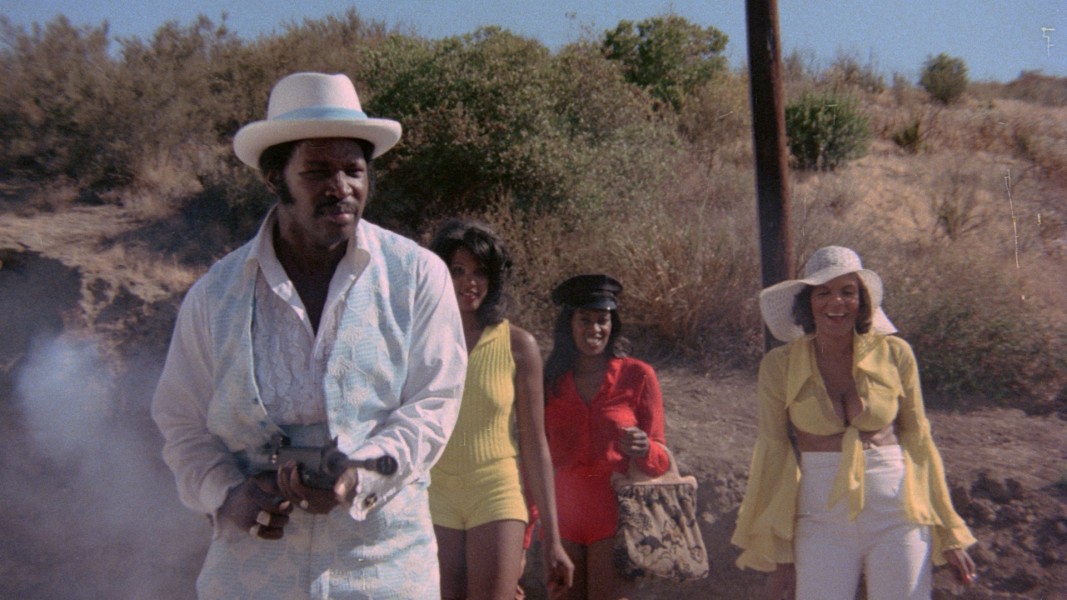
Looking at the earlier list of alumni, Eddie Murphy only returned to the show as a guest in 2019, upon the release of his “comeback” film “Dolemite is My Name,” having hated the show by the time he left in 1984; Adam Sandler and Sarah Silverman were fired; and Julia Louis-Dreyfus and Robert Downey Jr. were not given enough to do, only becoming stars after they left. Furthermore, they all had contracts that allowed them to choose what they did next, for good or worse.
Many of the sketches from "Saturday Night Live" are worth watching on YouTube, particularly anything involving Matt Foley, Stefon, Debbie Downer, or Christopher Walken. However, the live nature of “SNL,” and the inevitable corpsing from some actors – particularly Jimmy Fallon, when he was there – may leave you hankering for something more carefully crafted.